

Premier Wildlife Parks and Coastal Destinations in Tanzania
Few travel combinations match the thrill of spotting a pride of lions at dawn and listening to the gentle lapping of the Indian Ocean by sunset a few days later. Tanzania’s natural geography creates an effortless bridge between untamed savannahs and tranquil island shores. The country’s protected areas hold over 4 million wild animals, representing one of the greatest concentrations of biodiversity on Earth. Meanwhile, the tourism sector contributes roughly 17% to Tanzania’s GDP and supports over 1.5 million jobs, making responsible travel a direct investment in wildlife conservation and community prosperity.
Premier Wildlife Destinations for Tanzania Holidays Safari and Beach Tours
When planning wildlife excursions, northern Tanzania stands out as the ultimate safari circuit:
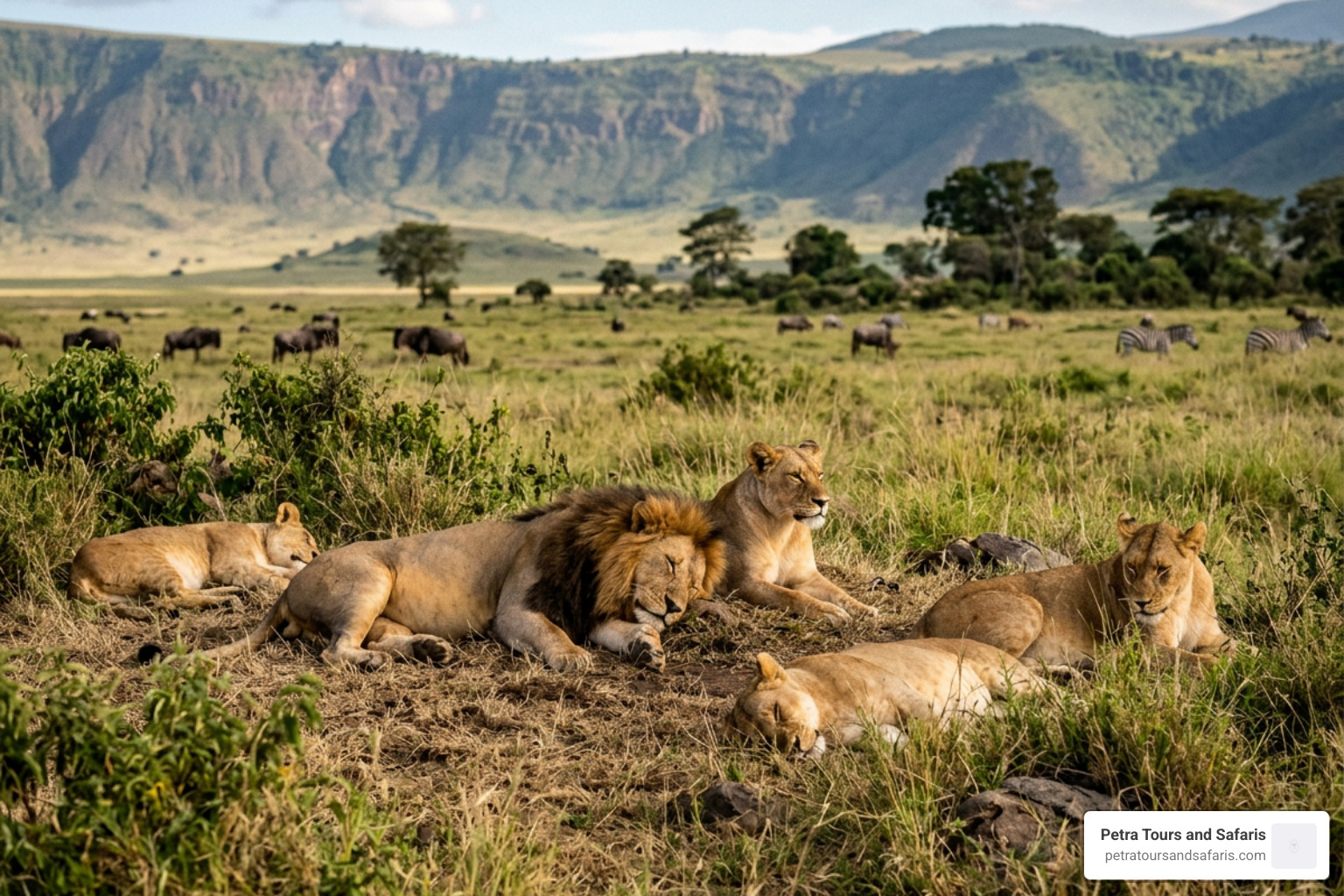
- Serengeti National Park: Spanning nearly 15,000 square kilometres, the Serengeti is legendary for hosting the annual Great Migration. Over 1.5 million wildebeest, 200,000 zebras, and 300,000 Thomson’s gazelles traverse this ecosystem in a perpetual search for fresh grazing. Aside from the migration herds, the Serengeti boasts exceptional resident predator densities, including leopards, cheetahs, spotted hyenas, and over 3,000 lions.
- Ngorongoro Conservation Area: The Ngorongoro Crater is the world’s largest intact, unflooded volcanic caldera. Within its 260 square kilometres reside approximately 25,000 large mammals. Because of the enclosed landscape, you can witness the Big Five—lion, leopard, elephant, buffalo, and critically endangered black rhino—often in a single game drive. It also holds the highest density of mammalian predators in Africa.
- Tarangire National Park: Famous for its iconic baobab trees and massive elephant herds, Tarangire comes alive during the dry months when the Tarangire River becomes the primary water source for thousands of migratory animals.
- Lake Manyara National Park: Nestled at the base of the Great Rift Valley escarpment, this park offers alkaline lake waters hosting thousands of pink flamingos, lush groundwater forests, and famous tree-climbing lions.
Best Coastal Escapes: Zanzibar, Mafia Island, and Pemba
After the early mornings and dusty trails of the bush, Tanzania’s coastline provides an idyllic retreat:
- Zanzibar (Unguja): Welcoming over 500,000 visitors annually, Zanzibar pairs powdery sand beaches with rich historical depth. The northern beaches of Nungwi and Kendwa are famous for non-tidal swimming and spectacular sunsets. The east coast villages of Paje and Jambiani cater to kitesurfers and tidal explorers. In the historic capital, Stone Town, you can wander through narrow alleyways, spice markets, and ancient coral-rag architecture.
- Mafia Island: Located south of Dar es Salaam, Mafia Island is an eco-conscious paradise surrounded by the Mafia Island Marine Park. It offers world-class scuba diving among pristine coral gardens and the rare opportunity to swim alongside harmless whale sharks between October and March.
- Pemba Island: Known as the “Green Island,” Pemba features undulating hills, clove plantations, and deep marine trenches offering dramatic wall diving, healthy reefs, and secluded boutique hideaways far from the crowds.
Planning Unforgettable Tanzania Holidays Safari and Beach Experiences
Seamless logistics turn an ambitious safari-and-beach holiday into a stress-free adventure. The key is balancing exhilarating dawn game drives with genuine coastal relaxation.
Ideal Timing for Tanzania Holidays Safari and Beach Vacations
Tanzania enjoys a pleasant tropical climate, but seasonal patterns dictate animal movements and coastal weather:
- June to October (Long Dry Season): The premier window for combining bush and beach. Wildlife congregates around shrinking water sources, vegetation thins for easier game spotting, and northern Serengeti river crossings peak between July and September. Coastal conditions are warm, dry, and sunny with low humidity.
- January to March (Short Dry Season): Excellent for the Southern Serengeti calving season, where roughly 8,000 wildebeest calves are born daily, attracting intense predator activity. The coast is hot and sunny, making this prime time for diving and snorkelling.
- November to December (Short Rains): Brief afternoon showers bring lush green landscapes, lower tourist numbers, and excellent birdwatching as migratory species arrive from Europe and Asia.
- April to May (Long Rains): Heavy seasonal rainfall occurs across most regions. While some coastal resorts and tented camps close for maintenance, open lodges offer substantial value for budget-conscious travellers seeking solitary wilderness encounters.
Crafting the Ideal 10 to 14-Day Bush and Beach Itinerary
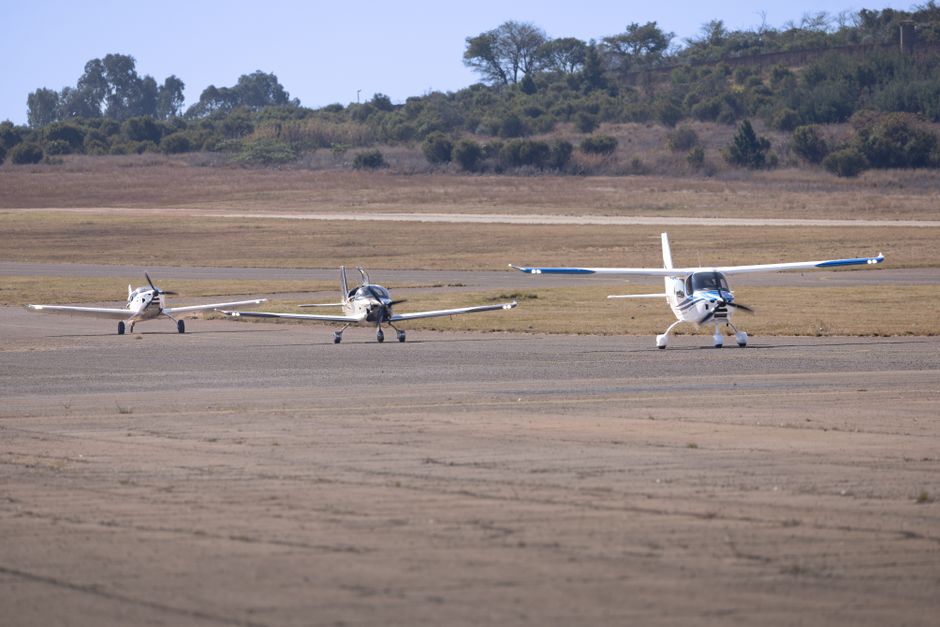
A classic combined trip balances action and leisure. The standard approach begins with an international arrival at Kilimanjaro International Airport (JRO), travels overland or via light aircraft through the northern safari parks, and connects via direct bush flight to Zanzibar (ZNZ) before departing home.
The typical duration ranges from 10 to 14 days, with travellers spending an average of $200 to $400 per day on standard accommodation, park fees, and domestic logistics.
| Trip Length | Safari Allocation | Beach Allocation | Best Suited For |
|---|---|---|---|
| 7 Days | 3 Days (Tarangire & Ngorongoro) | 4 Days (Zanzibar Coast) | Travellers short on time wanting a quick highlights tour. |
| 10 Days | 5 Days (Tarangire, Ngorongoro, Central Serengeti) | 5 Days (Zanzibar Beach & Stone Town) | The optimal balance of major safari parks and island relaxation. |
| 14 Days | 7 Days (Tarangire, Manyara, Serengeti, Ngorongoro) | 7 Days (Zanzibar + Pemba or Mafia Island) | In-depth exploration, Great Migration tracking, and unhurried marine adventures. |
Travel Logistics, Cultural Encounters, and Practical Preparation
A great holiday is more than landscapes; it is about connecting with people, respecting local heritage, and travelling safely.
Accommodation Options from Luxury Lodges to Coastal Resorts
Tanzania accommodates every travel style and budget:
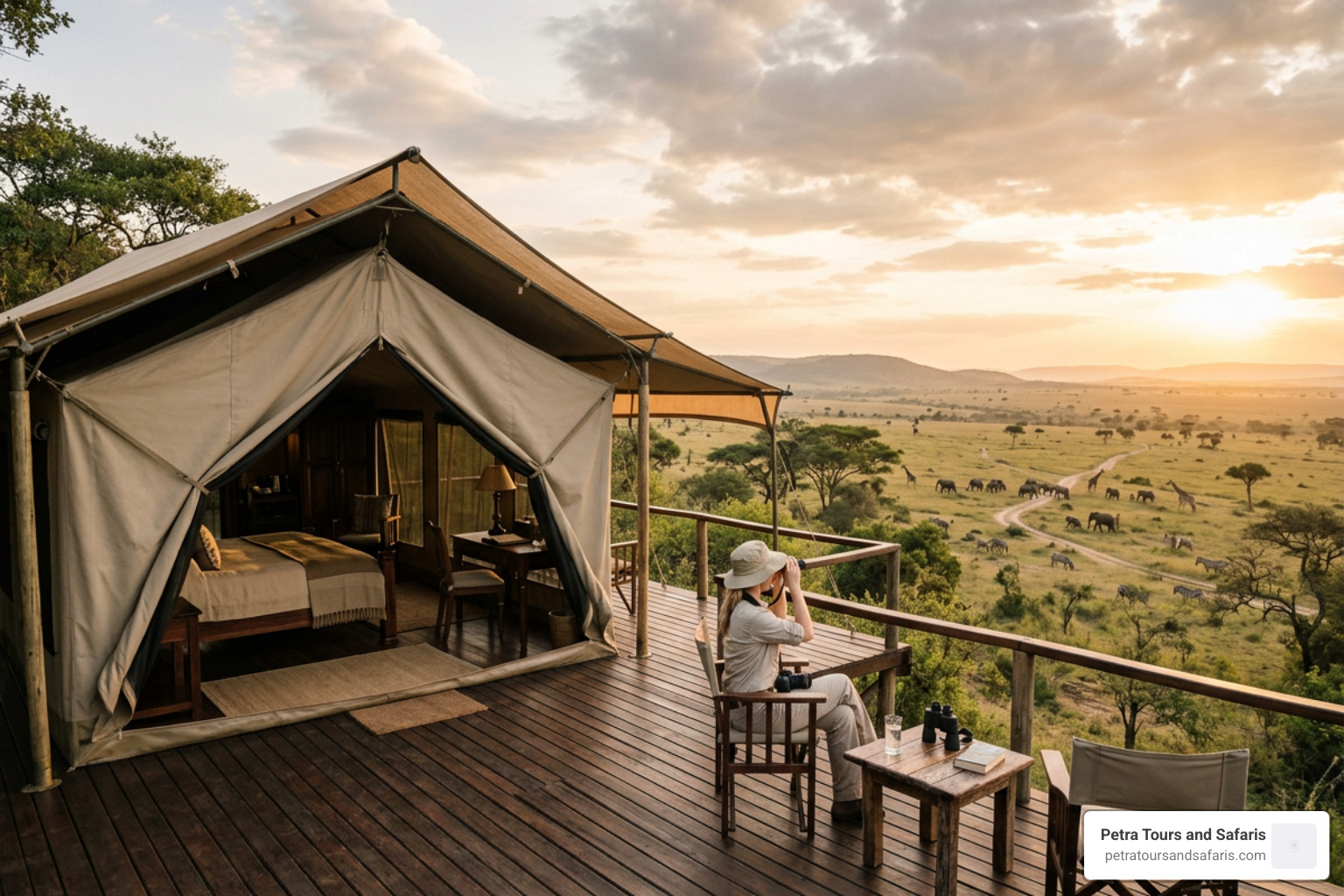
- Luxury Safari Lodges and Mobile Tented Camps: Permanent luxury lodges offer private plunge pools, fine dining, and panoramic caldera views. Mobile tented camps follow the Great Migration across the Serengeti, providing high-thread-count linens, en-suite bathrooms with hot safari bucket showers, and authentic immersion under canvas.
- Mid-Range Tented Lodges: Comfortable permanent canvas tents on raised wooden decks with solar-powered electricity, private verandas, and communal swimming pools.
- Coastal Resorts and Eco-Boutiques: Zanzibar features everything from lively all-inclusive family resorts in Nungwi to intimate, barefoot-luxury eco-villas in Matemwe and private island retreats on Chumbe Island.
Travel Requirements, Health Protocols, and Cultural Etiquette
- Visas: Most foreign nationals require a tourist visa, which can be easily obtained online via the official Tanzania Immigration eVisa portal prior to departure or purchased on arrival at major entry ports.
- Health and Vaccines: Tanzania is in a malaria-endemic zone; consult your travel clinic for recommended antimalarial prophylaxis. A Yellow Fever vaccination certificate is mandatory if arriving from or transiting through a yellow fever-endemic country for more than 12 hours.
- Cultural Encounters: Enrich your safari with meaningful cultural interactions, such as visiting authentic Maasai pastoralist bomas near Ngorongoro, or walking with the Hadzabe hunter-gatherers around Lake Eyasi. Always ask permission before taking photographs, dress modestly when touring Stone Town or local mainland villages (covering shoulders and knees), and support local craft cooperatives.
Frequently Asked Questions About Tanzania Safari and Beach Holidays
How many days are ideal for a combined safari and beach holiday in Tanzania?
A duration of 10 to 14 days is ideal. This allows 4 to 6 days in the wilderness—exploring the Serengeti, Ngorongoro Crater, and Tarangire—without rushing, followed by 4 to 6 days unwinding along the white sand beaches of Zanzibar or Mafia Island.
What is the best way to travel between the Serengeti and Zanzibar?
The fastest and most comfortable method is taking a scheduled domestic bush flight directly from a Serengeti airstrip (such as Seronera, Kogatende, or Ndutu) to Zanzibar Airport (ZNZ). Several local carriers operate daily flights with brief refuelling stops in Arusha or Dar es Salaam, getting you from the savannah to the beach in under 4 hours.
How much does a combined Tanzania safari and beach trip typically cost?
Trip costs depend on season, group size, and lodging style. Budget camping and guesthouse itineraries average $200 to $300 per person per day, mid-range comfortable lodges and beach resorts range between $350 and $600 per person per day, while luxury bespoke safari camps and 5-star island villas range from $800 to $1,500+ per person per day, inclusive of internal flights, game drives, guides, and conservation park fees.
Conclusion
Combining the raw wilderness of northern Tanzania with the spice-scented tropical breezes of the Swahili coast creates an unmatched African journey. Whether watching wildebeest brave river currents or diving along vibrant coral reefs, this dual-destination trip offers memories that last a lifetime.
At Petra Tours & Safaris, we take pride in designing personalized Tanzania safari and beach holidays led by our experienced local guides and custom fleet. We focus on responsible, community-centred travel so that every step of your adventure helps preserve Tanzania’s natural heritage for generations to come.


