

Planning Your Ultimate Safari Tanzania Zanzibar Route
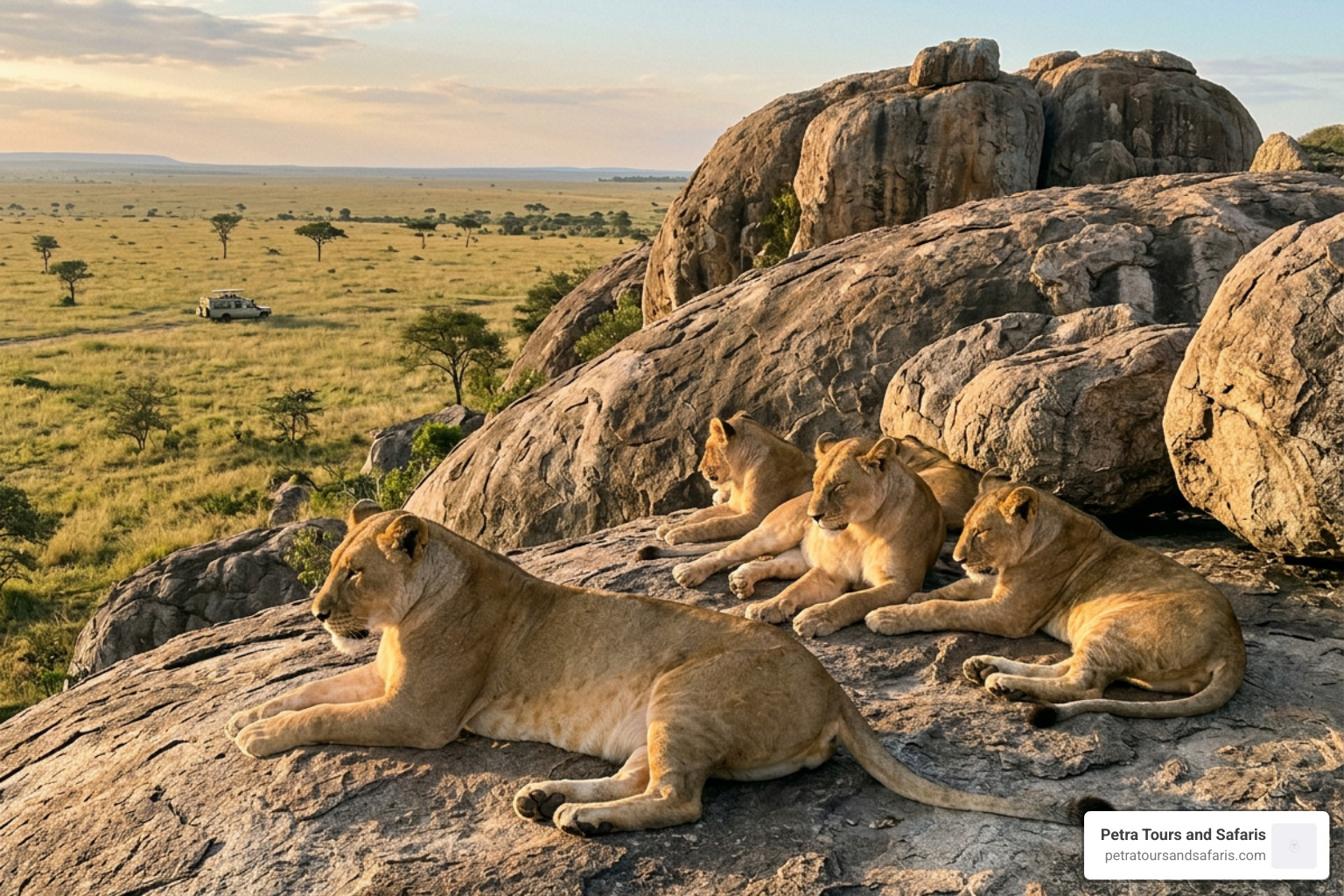
A smooth itinerary comes down to smart route design and avoiding unnecessary back-and-forth travel across the country. Tanzania is vast, so your arrival point, transfer legs, and departure hub should follow a logical geographic flow.
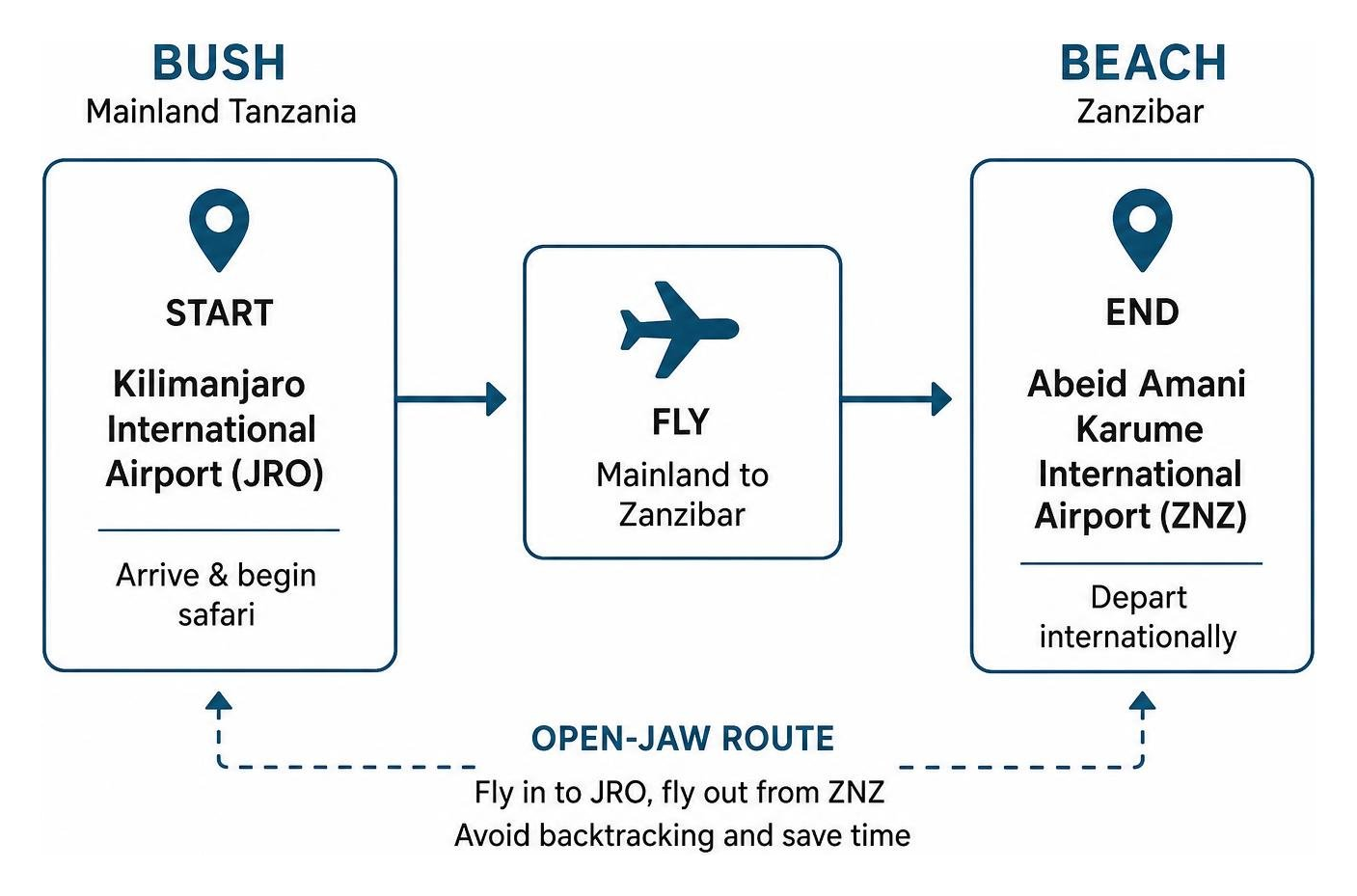
When mapping your trip, the cleanest approach is an “open-jaw” flight ticket. We recommend flying into Kilimanjaro International Airport (JRO) on the mainland to begin your wildlife exploration, and flying out internationally from Abeid Amani Karume International Airport (ZNZ) on Zanzibar. This structure saves you a full day of backtracking to your starting airport.
Here is how the pacing typically unfolds across a classic 10-day itinerary:
- Days 1–3: Land at Kilimanjaro, transfer to Arusha or fly directly to the central or northern Serengeti for big cat tracking and endless savannah vistas.
- Days 4–5: Journey toward the Ngorongoro Conservation Area, descending into the volcanic caldera for dense, high-concentration game viewing.
- Day 6: Board a bush flight from an airstrip near Lake Manyara or Arusha straight to Zanzibar (roughly a 90-minute scenic flight).
- Days 7–9: Settle into a coastal resort in northern Nungwi or along the tranquil southeastern beaches, exploring coral reefs and coastal spice farms.
- Day 10: Take a historic walking tour through Stone Town before your international departure from Zanzibar.
Safari Tanzania Zanzibar: Why Safari First Works Best
While it might seem tempting to start your holiday by unpacking on a sunbed, doing the safari first and the beach second is the secret to an effortless vacation.
A true African safari is exhilarating, but it is not physically restful. Memorable game drives start before dawn—often around 5:30 AM—to catch apex predators during their active hunting hours. You will spend hours navigating unpaved, corrugated tracks, taking in high-altitude breezes, and absorbing the fine dust of the African bush. For travelers sensitive to motion sickness, the gentle swaying and bouncing of the custom 4×4 vehicles over rough terrain can also take a physical toll.
If you visit the beach first, you return to the mainland only to tire yourself out right before heading home. By tackling the early wake-ups and dusty game drives upfront, you experience the wildlife while your energy levels are peaking. Afterwards, stepping off a light aircraft directly onto Zanzibar allows you to slow down, wash off the savannah dust in the warm Indian Ocean, sleep in, and recharge completely before your return flight.
Best Time of Year and Trip Duration
Choosing the right travel window depends on whether your priority is tracking dramatic predator hunts, witnessing newborn wildebeest, or enjoying calm ocean waters.
- The Dry Season (June to October): This is the classic peak safari season. Vegetation is thin and water sources dry up, forcing wildlife to congregate around permanent rivers and waterholes. July to September is prime time for the world-famous Mara River crossings in the northern Serengeti. On Zanzibar, this period brings clear skies, cooler evenings, and low humidity. Because this is the most popular window, lodges and charter flights should ideally be booked 9 to 12 months in advance.
- The Calving Season (January to February): A phenomenal green-season alternative. Over half a million wildebeest calves are born on the southern Serengeti plains within a few short weeks, triggering intense predator interactions. Zanzibar is warm and sunny during these months, making it one of the best value-for-money periods for a combined bush-and-beach holiday with fewer vehicle crowds.
- The Green Season (March to May): Known as the long rains. While heavy afternoon downpours occur, the landscape turns vibrant green, birdwatching peaks, and luxury lodges offer substantial discounts. Zanzibar can see heavier rainfall, but traveling during this window allows for uncrowded national parks.
To truly experience both realms without feeling rushed, aim for 10 to 14 days. Ten days provides the essential Northern Circuit highlights and a restorative beach escape, while 12 to 14 days allows you to include Tarangire National Park, Lake Manyara, or an extra night in a private coastal villa.
Mainland Wildlife Highlights: Serengeti and Ngorongoro Crater
The crown jewels of Tanzania’s Northern Circuit provide two distinctly different wildlife habitats within a short drive or flight of each other.
Serengeti National Park and the Great Migration
Spanning approximately 1.5 million hectares, the Serengeti gets its name from the Maasai word siringit, meaning “the place where the land runs on forever.” This vast ecosystem hosts the Great Migration—an annual, perpetual cycle where roughly two million wildebeest, 250,000 zebras, and gazelles move across the savannah in search of fresh grazing.
Depending on the season, game drives in the Serengeti can take you along the Seronera River valley where resident leopards drape themselves over sausage trees, or up toward the Grumeti and Mara rivers where massive crocodiles wait along riverbanks.
Staying in semi-permanent mobile tented camps offers an unmatched sensory experience. With comfortable beds, en-suite bush showers, and canvas walls, you fall asleep listening to the distant whoop of spotted hyenas and wake up to golden sunlight illuminating the acacia plains.
Ngorongoro Crater Caldera Exploration
Formed millions of years ago when a massive volcano collapsed on itself, the Ngorongoro Crater is the world’s largest unbroken, unflooded volcanic caldera. Its floor covers roughly 260 square kilometers, enclosed by steep 600-meter walls that create a natural sanctuary for around 25,000 large mammals.
Descending the winding caldera road through lush cloud forests opens onto open grasslands, fever-tree woodlands, and soda lakes populated by thousands of pink flamingos. Ngorongoro offers one of the highest predator densities in Africa and remains one of the most reliable places to spot the endangered black rhino.
The surrounding conservation area is also unique for its harmonious coexistence: you will frequently see traditional Maasai pastoralists in vibrant red shúkàs grazing their cattle alongside wild zebras and eland.
| Feature | Serengeti National Park | Ngorongoro Crater |
|---|---|---|
| Landscape | 1.5 million hectares of endless plains, kopjes, and riverine forest | 260 km² intact volcanic caldera with 600m sheer walls |
| Wildlife Focus | Great Migration herds, expansive cheetah and lion tracking | Black rhinos, massive bull elephants, dense lion prides |
| Experience Style | Multi-day exploration, mobile tented camps, remote immersion | Single-day intensive descent, dramatic scenery, high animal density |
| Pacing | 2 to 4 nights recommended | 1 to 2 nights recommended |
Zanzibar Island Escapes: Coastal Beaches and Cultural Heritage
After days on the dusty trail, touching down in Zanzibar introduces a vibrant shift in climate, culture, and sensory scenery.
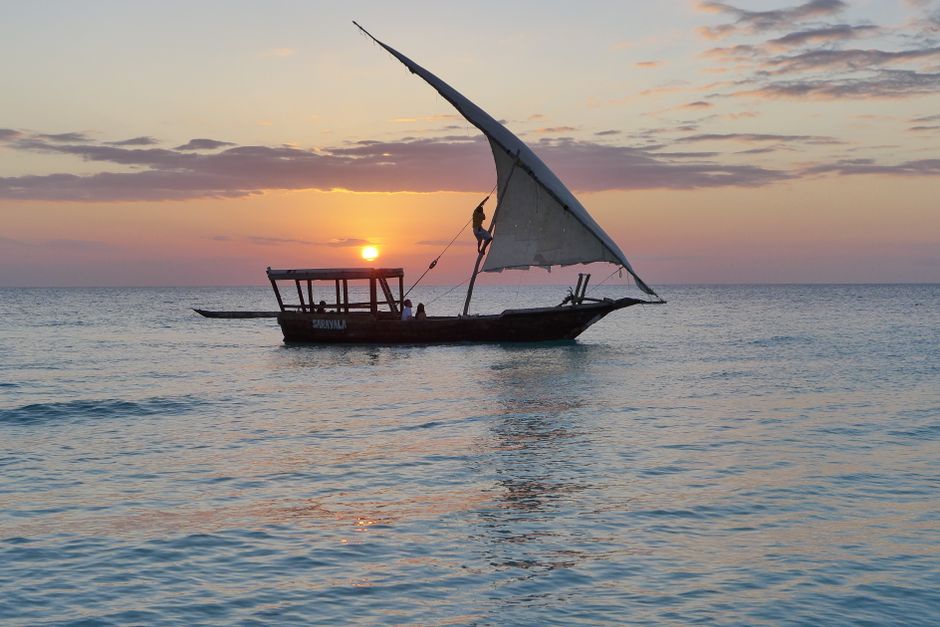
Northern Beaches vs Southern Coastlines
Choosing where to stay on the island shapes your coastal experience:
- The North Coast (Nungwi & Kendwa): Famous for powdery white sands and vivid turquoise waters. Because the coastline here shelves off steeply into the Indian Ocean, the area experiences minimal tidal variation. You can swim at any time of day, enjoy lively beach restaurants, and watch sunset dhow cruises set sail right from the sand.
- The Southeast Coast (Paje, Bwejuu, Jambiani & Michamvi): Characterized by wide, palm-fringed shorelines and a relaxed, laid-back atmosphere. This coast experiences dramatic tidal shifts; during low tide, the ocean recedes hundreds of meters, revealing shallow lagoons, coral rockpools, and local seaweed farms. It is paradise for kite surfers, photography lovers, and those seeking peaceful boutique lodges with private plunge pools.
Stone Town Culture and Marine Excursions
No visit is complete without a day dedicated to the historic heart of the island:
- Stone Town: A UNESCO World Heritage site filled with labyrinthine alleys, bustling spice markets, intricately carved Swahili doors, and centuries of Arab, Persian, Indian, and European influences. A guided walking tour takes you through the Old Fort, the Sultan’s Palace, and the former slave market memorial.
- Marine Reserves & Snorkeling: Board a wooden dhow to the protected marine reserve around Mnemba Atoll to snorkel among sea turtles, dolphin pods, and colorful coral gardens. Remember to always apply reef-safe sunscreen to help protect fragile marine ecosystems.
- Cultural Etiquette: Zanzibar is predominantly Islamic. While swimwear is standard on resort beaches, dressing modestly—covering shoulders and knees—is respectful when strolling through Stone Town or local coastal fishing villages.
Practical Logistics, Packing, and Booking Strategies
Combining the wilderness of East Africa with an Indian Ocean island requires careful logistical preparation.
Safari Tanzania Zanzibar Cost and Budget Breakdown
A combined 10-day trip can be tailored to various budgets, but mid-to-high-end itineraries provide the best balance of comfort, safety, and authentic guiding:
- Mid-Range to High-End Budget: Expect to spend between €4,500 and €7,500 per person (excluding international flights). This typically covers private 4×4 safari vehicles, dedicated driver-guides, national park and conservation fees (which contribute significantly to wildlife protection), quality tented camps, internal bush flights, and 4- to 5-star beachfront boutique resorts on Zanzibar.
- Entry-Level Budget: Around €3,000 per person using shared group safari vehicles, standard public campsites or basic lodges outside the main reserve boundaries, and standard guesthouses on Zanzibar.
- Ultra-Luxury Tier: €15,000+ per person for private bush fly-in safaris, ultra-exclusive concession lodges with private plunge pools, and luxury five-star oceanfront villas.
- Tipping Guidelines: Tipping is customary across Tanzania. A general guideline is $20–$30 USD per day for your safari guide (shared among the vehicle group) and $10–$15 USD per day for general camp and lodge staff via communal tip boxes.
Bush Flights, Luggage Limits, and Tour Operator Benefits
Internal flight logistics are an essential part of the bush-and-beach balance:
- The 15kg Luggage Rule: Light aircraft operating between Arusha, the Serengeti, and Zanzibar strictly enforce a 15kg (33 lbs) weight limit per passenger, inclusive of hand luggage. Bags must be soft-sided duffels without hard frames or pull-out rigid handles so pilots can pack them safely into tight aircraft cargo pods.
- Packing Essentials: Bring neutral-colored clothing (khaki, olive, beige; avoid dark blue and black, which attract tsetse flies, and bright blue/red in the bush), a warm fleece or down jacket for early morning game drives, a wide-brimmed sun hat, polarized sunglasses, high-strength insect repellent, and a portable power bank.
- Operator vs. DIY Planning: Planning a Tanzania safari independently can be challenging due to fluid domestic flight schedules, park entry logistics, and dynamic conservation permits. Booking through an experienced local operator ensures seamless transfers, well-maintained vehicles, and real-time support if a bush flight time adjusts.
Frequently Asked Questions about Safari and Zanzibar Travel
Is a combined Tanzania safari and Zanzibar trip safe?
Yes. Tanzania is consistently ranked among the most peaceful and politically stable nations in Africa. On safari, you are accompanied by professional, licensed guides who understand animal behavior and follow strict safety protocols. In urban areas like Stone Town or Arusha, standard travel awareness applies: avoid walking alone on unlit beaches or streets late at night and keep valuables secure in your room safe.
Do I need a visa and vaccinations for Tanzania and Zanzibar?
Most international travelers require a tourist visa. It is strongly recommended to apply for an online e-visa via the official Tanzania Immigration portal well before departure to avoid long queues on arrival. Regarding health:
- Malaria Prophylaxis: Tanzania is a malaria-risk area; consult your travel physician for recommended preventive medication (such as Malarone or Doxycycline).
- Yellow Fever: A Yellow Fever vaccination certificate is mandatory if you are arriving from, or have transited for more than 12 hours through, a country with a risk of Yellow Fever transmission.
Is it better to fly or take a ferry from the safari parks to Zanzibar?
Flying is far superior. A light aircraft flight from Arusha or directly from a Serengeti airstrip takes approximately 60 to 90 minutes, landing directly at Zanzibar Airport. Taking a ferry requires traveling back to Dar es Salaam by road or domestic flight, navigating city traffic to the seaport, and taking a 2-hour passenger ferry, consuming an entire day of your holiday.
Conclusion
Combining the untamed savannahs of the Serengeti and the wildlife-dense floor of the Ngorongoro Crater with the sun-drenched beaches of Zanzibar creates one of the most rewarding travel experiences in the world. By planning your safari first and finishing with coastal relaxation, you make the most of every game drive while leaving plenty of time to rest.
At Petra Tours & Safaris, we believe the best adventures are built on personalized planning, deep local knowledge, and responsible travel practices. Whether you want to witness the thunder of the Great Migration or unwind in a secluded beachfront hideaway, our local team is ready to craft your ideal bush-and-beach adventure. Discover how our team can bring your dream itinerary to life with customized safari and Zanzibar experiences tailored entirely to your pace.


